





The attitude towards alcohol is changing among Gen Z's today. There are no more “old fashioned” trends with them. They do not drink because it is expected or a social norm; they drink because it is something that fits in their lives.
That said, alcohol has not lost its place in the picture entirely. Many legal-age Gen Z consumers still drink regularly. What has changed is the standard they hold products to. Quality, flexibility and intention now matter far more than quantity ever did.
1. Health and Moderation Are Driving Choices
The rise of "sober curious" culture is one of the more telling signs of this shift. A growing number of younger consumers are pulling back on alcohol not because of addiction or social stigma, but because they want better sleep, clearer thinking and more control over their physical health. Bars and grocery stores have noticed. Low-alcohol beer, alcohol-free spirits, and mocktails now occupy shelf and menu space that barely existed five years ago.
Data from Circana backs this up, showing that many younger consumers have planned to reduce intake or take part in challenges like Dry January. At the same time, more recent figures from IWSR point in a slightly different direction. It says that there was a surge in Gen Z drinkers across globe between 2023 and 2025.
These two findings really are not contradictory. They just say that Gen Z isn't giving up on alcohol entirely. They're doing it on their terms, which is usually on a less frequent, more conscious basis.
2. Social Media Influences Drinking Trends
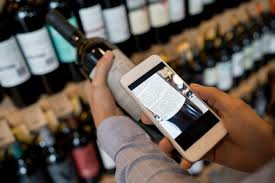
While it was the word of mouth or in-store display for previous generations, Gen Z is going to TikTok and Instagram. A well-shot cocktail video or a creator talking about a brand's sourcing practices can do more for sales than a traditional advertisement. Visual appeal, ingredient transparency, and whether a brand stands for something have all become genuine factors in purchasing decisions.
This generation also tends to tie drinking to events rather than routine. A craft cocktail at a rooftop bar, a themed drink at a music festival, a limited-release bottle shared among friends. These are the contexts where alcohol fits most naturally into their lives. Ready-to-drink cocktails have grown in popularity partly because of this, offering convenience without sacrificing the sense of occasion.
Bars and retailers are adjusting. Expanded no- and low-alcohol menus are becoming standard rather than novelty. The category of consumer who walks in and wants something interesting without necessarily wanting a buzz is no longer a niche. Industry observers have also noted that Gen Z often arrives informed. They check ingredients, read reviews, and notice when a brand's claims do not hold up to scrutiny.
3. Price and Purpose Matter
Economic reality plays a role too. Across most markets, younger consumers are feeling the squeeze of higher living costs and discretionary spending gets cut accordingly. Spending ten dollars on a single drink that genuinely delivers is a more appealing choice than spending the same amount on three drinks that are forgettable.
This connects to a broader pattern around purpose. Gen Z consumers often want to know what a product represents before they commit to it. Are there only natural ingredients used? Is the manufacturer transparent about where drink is made and how? Does buying it feel consistent with their values around health or sustainability? Brands that communicate honestly tend to earn loyalty. Brands that lean on vague lifestyle marketing often lose it.
Ending note
The alcohol industry is not facing a generation that has given up on drinking. It is facing one that has raised the bar for what drinking should look like.
Gen Z still gathers around a good bottle. They still celebrate, socialise and enjoy. But they want the products and experiences they choose to reflect who they are. For brands trying to stay relevant, that means less reliance on legacy drinking culture and more willingness to meet people where they actually are.