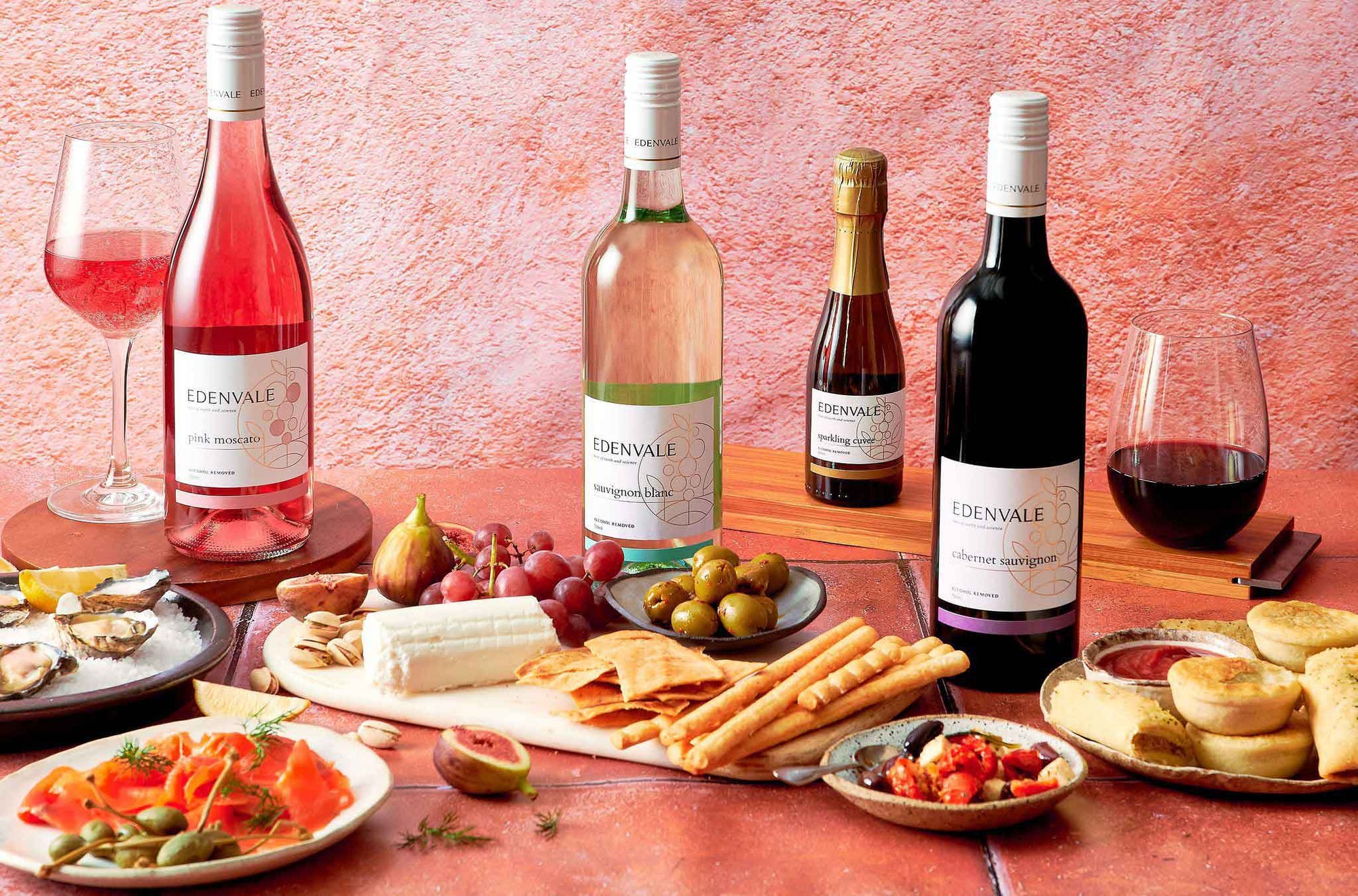


Drinkers today think more carefully about what they pour into their glass. Of course, they still value flavour, craft and ritual. However, they also expect a balance of three.
In fact, many enthusiasts want choice without compromise. They want drinks that fit modern routines while respecting tradition. This shift has pushed producers to rethink alcohol strength and product design. It has prompted brand purpose for good. As a result, no-alcohol and low-alcohol drinks now sit at the centre of industry strategy. And fortunately, this change shapes how the category evolves.
That being said, here is what makes no- and low-alcohol drinks so demanding.
1. Changing Consumer Mindsets
Consumers now approach drinking with greater intent. They want to stay social while maintaining control. Therefore, moderation has become a preference rather than a restriction.
Low-alcohol options allow drinkers to extend occasions without excess. Meanwhile, no-alcohol drinks create inclusion across mixed groups. These products support mindful habits. And they do so while preserving the pleasure of shared moments. As attitudes shift, demand grows through genuine lifestyle alignment.
2. Health, Wellbeing and Balance
Purchasing decisions are heavily affected by health awareness. Drinkers are aware of the effects of alcohol on energy levels, focus and recovery. Consequently, many seek alternatives that support active routines.
No-alcohol and low-alcohol drinks meet this requirement while retaining familiar taste profiles. Hence, producers now invest in advanced fermentation and distillation methods. These approaches protect the flavor while toning down the strength. As a result, consumers no longer see compromise in the glass.
3. Quality, Innovation and Credibility
Early alcohol-free drinks struggled with perception. Today, that narrative has changed. Producers apply the same discipline to low- and no-alcohol ranges as to full-strength products. They focus on mouthfeel, aroma and structure. In short, innovation now drives credibility.
Also, clear labelling and honest positioning also build trust. Therefore, enthusiasts feel confident exploring these options as part of their regular repertoire.
4. Social Inclusion and Occasion Expansion
Drinking occasions have diversified. People no longer limit alcohol to evenings or celebrations. Even lunches, work events and weekday socials now demand flexible choices.
No-alcohol and low-alcohol drinks enable participation without pressure in such cases. They remove barriers for designated drivers and those taking breaks. As a result, brands expand reach while respecting individual preferences. This inclusivity strengthens long-term engagement.
5. Commercial Opportunities and Portfolio Strategy
From an industry perspective, these categories create growth with resilience. They attract new consumers while retaining existing ones. They elevate their premium positioning by emphasising skilled craftsmanship and compelling narratives. Importantly, such choices align with evolving regulatory as well as ESG expectations.
Responsible portfolios now balance strength and choice. They end up adding transparency. Such an approach supports sustainable revenue without diluting brand equity.
Conclusion
No-alcohol and low-alcohol drinks reflect a structural shift rather than a passing trend. Demand grows because products now meet real expectations. They deliver flavour, credibility, and flexibility. Drinkers feel supported rather than restricted. Meanwhile, producers gain relevance in an evolving market.
As innovation continues, these categories will define how the industry balances enjoyment, responsibility, and long-term value.